
The Cluster of Research Excellence (CoRE) in Migration & Health addresses the key scientific challenge of identifying and developing solutions, relevant to the social, cultural and political contexts, to address the root causes of poor health among migrants to enhance the positive health outcomes of migration across one of the largest migration corridors globally, the African Union (AU) – European Union (EU) corridor.
The Africa-Europe Clusters of Research Excellence are an initiative of the African Research Universities Alliance (ARUA) and The Guild of European Research-Intensive Universities.
Follow the CoRE in Migration & Health:
RECENT NEWS


-
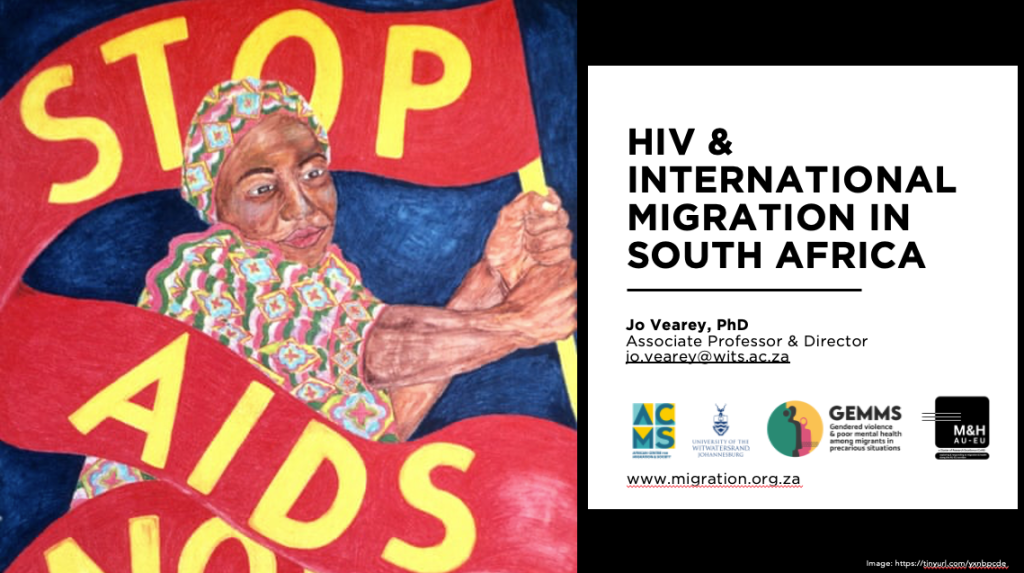
Africa -Europe Cluster of Research Excellence on Migration and health (CoRE-MH) webinar
The current status quo on migration and health data in Africa and Europe: Challenges, opportunities and the Way forward Migration and health are closely interlinked. However, there exists no standardized mechanism to routinely collect and disseminate data related to health of refugees and migrants, as part of national health information systems. Lack of data on…
-
Blog post by Ishmael Adjei(PhD).
Walking into the Conference Hall, the traditional drumming and dance were indeed a great sign demonstrating the importance of local actors in migration affairs. CMS demonstrated its strong collaboration with diverse actors such as the traditional authorities, security agencies, academics, migration practitioners, and many international organizations on migration issues.
-

Five weeks in Uppsala; what a fellowship gave me.
From 17 March to 20 April 2026, based at Uppsala University’s Global Health and Migration Unit within the Department of Women’s and Children’s Health, in the small and walkable, and unhurried, Uppsala city, qualities that felt strange at first but were exactly the right place I needed.
-

Conference at RUNOMI (Radboud University) on the 16th October 2026
The Radboud University Network on Migrant Inclusion (RUNOMI) will hold a one-day conference: “Supporting Health (-Care) of Migrant Residents: Access, Equity and Governance”, to be held on 16 October 2026 at the Radboud University in Nijmegen (the Netherlands).
-
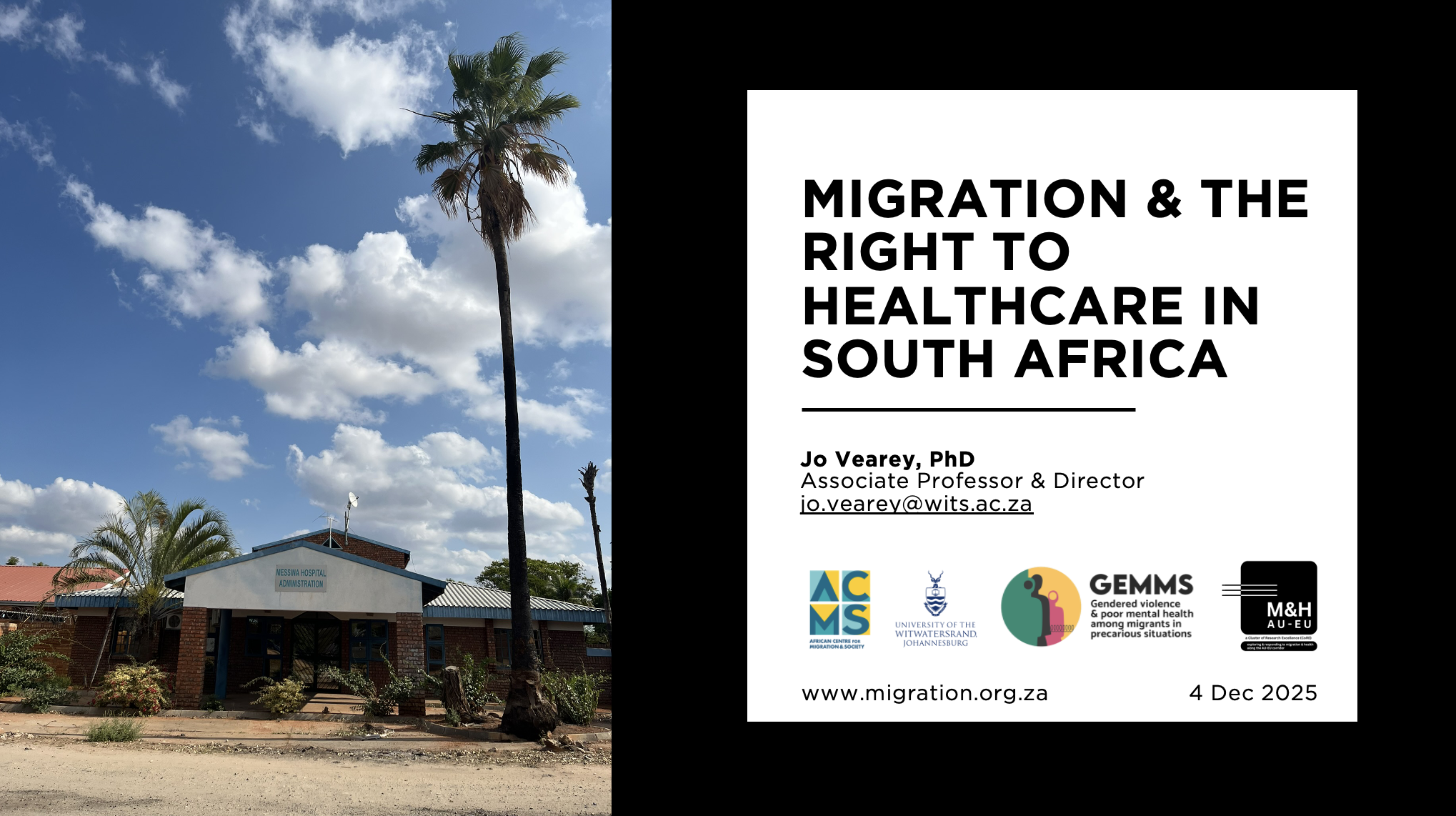
Migrant rights to accessing healthcare in South Africa
In a recent webinar, Jo Vearey discusses a paper she co-authored, addressing South Africa’s healthcare policies regarding asylum seekers, refugees, and undocumented migrants. She critiques the National Health Insurance’s approach as regressive, arguing it undermines the goal of Universal Health Coverage by denying basic healthcare rights to vulnerable groups.
-
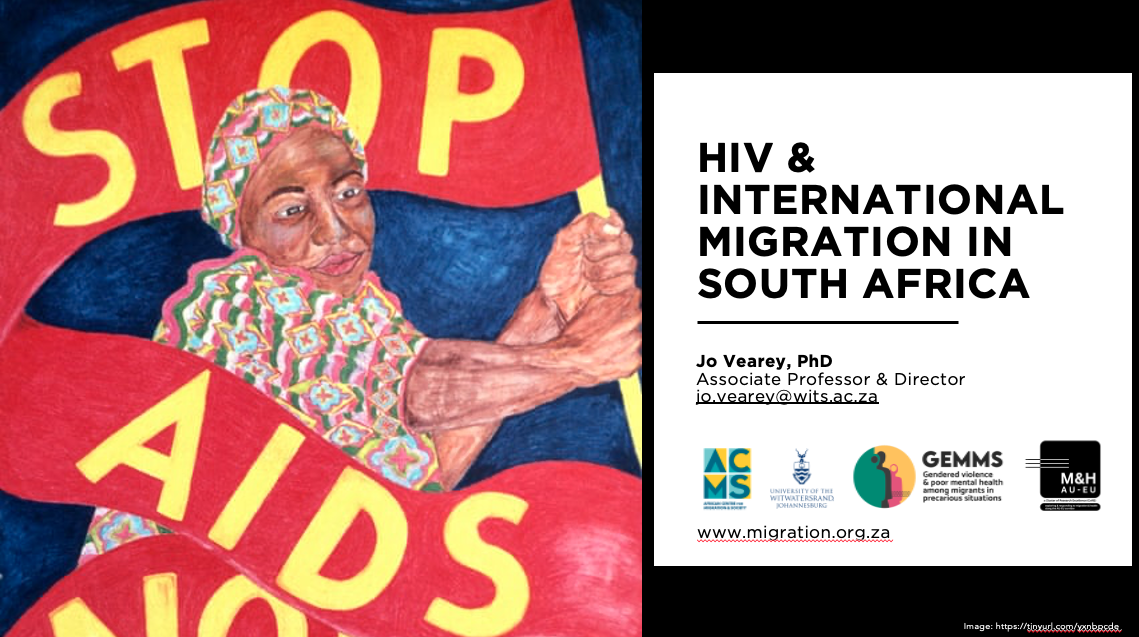
International Migration Day & World AIDS Day, 1 December 2025
CoRE co-lead, Professor Jo Vearey gave a talk as part of a webinar organised by the South African national statistics agency – Statistics South Africa. She highlighted the challenges in accessing healthcare that are faced by international migrants in the country and cautioned about the negative health impacts this has for all in South Africa.
-

A blog by Betelhem Assefa, an intern at ACMS- Wits University
My internship at the African Centre for Migration and Society was transformative. I learned to critically assess policies, recognising their gaps through fieldwork in South Africa. I discovered the disconnection between policy intentions and reality, encountering inspiring migrants’ stories. This experience reinforced the importance of implementing policies that create meaningful change.
-

Three Master students from Uppsala conduct their internships at Wits
Three Master students in the Public Health programme from Uppsala University were hosted by Wits University ACMS as interns between August and October 2025.
-
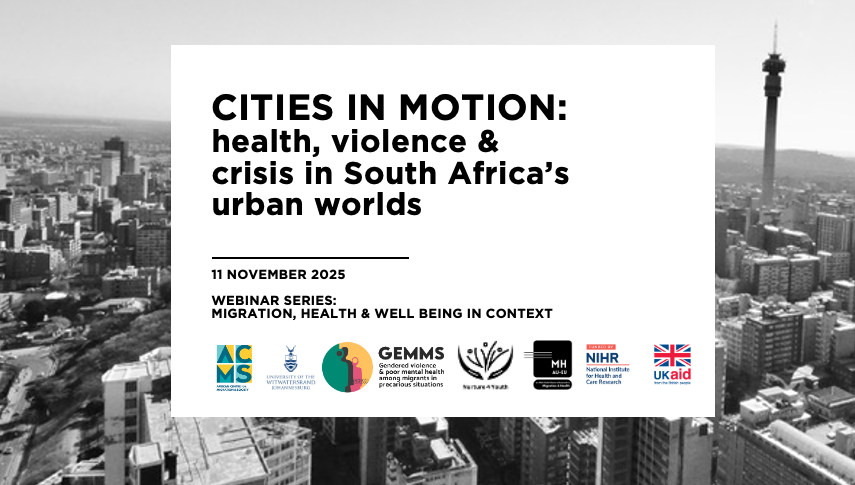
Webinar – Cities in motion: health, violence & crisis in South Africa’s urban worlds
This webinar facilitated an evidence-informed conversation about the intersecting and multi-level dynamics of migration and urbanisation and their impacts on population health and well-being in South Africa. Central to current debates is the need to focus on the structural and interpersonal violence – including that promoted by anti-foreigner vigilante groups.
-
Two postdoctoral fellows join the CoRE
We are delighted to introduce two postdoctoral fellows who have joined the Cluster of Research Excellence (CoRE) in Migration & Health. Hosted by the African Centre for Migration & Society (ACMS) at Wits University in South Africa, Dr Fehmida Qaddus Rabbani & Dr Neusa Torres will be undertaking independent research projects & supporting the CoRE.
-

Researching Migration & Health in Southern Africa: from global to local
We are holding a symposium to initiate a cross-faculty research network on Migration & Health at Wits University. By bringing together researchers & postgraduate students working in the field of migration & health, we will have the opportunity to strengthen collaboration across the University and beyond.
-
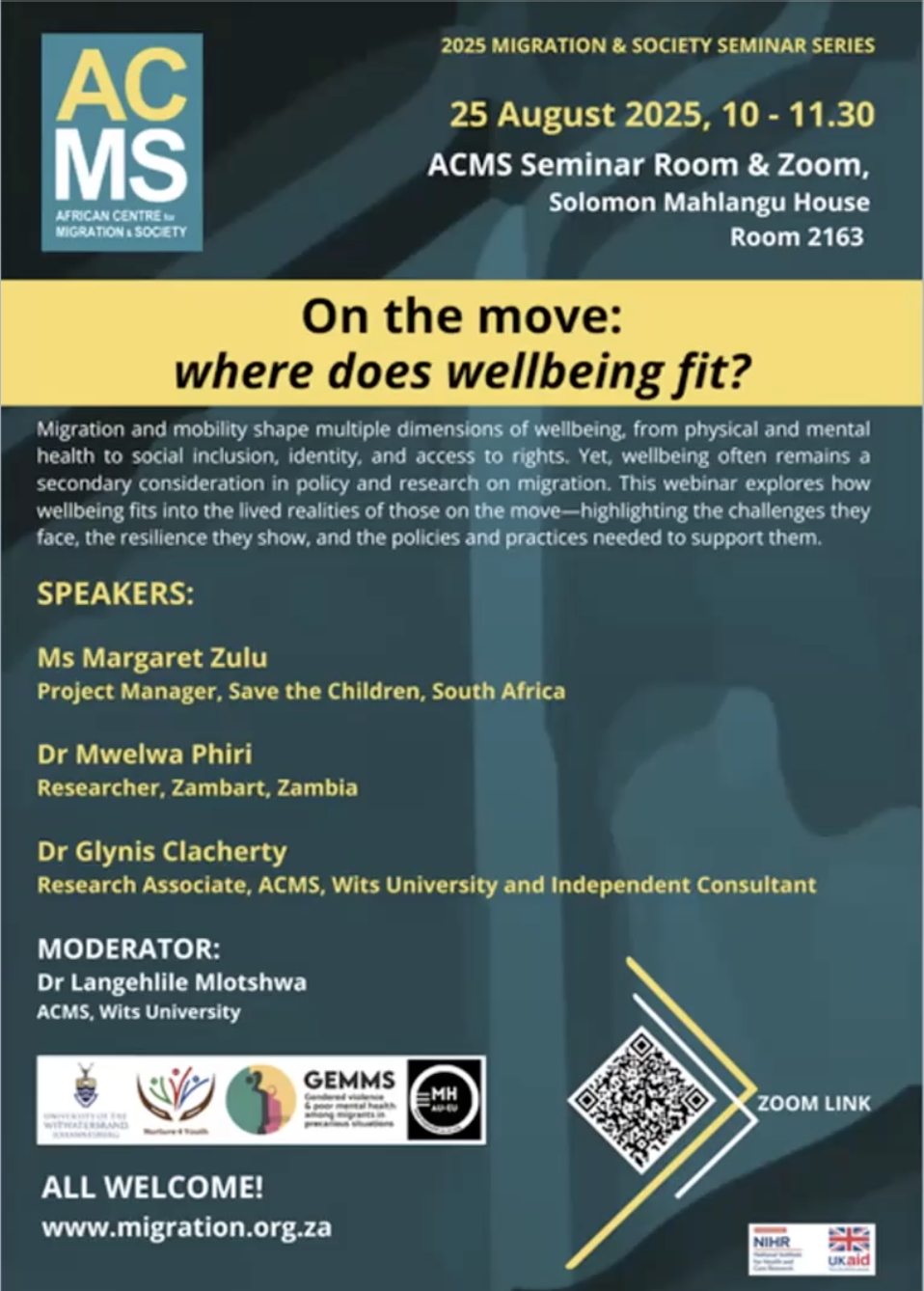
Webinar – On the move: where does wellbeing fit?
The first webinar in our series on ‘Migration, health and wellbeing in context’, a joint initiative between the CoRE, the Gendered violence & poor mental health among migrants in precarious situations (GEMMS) Global Health Research Group, the Nuture4Youth Global Health Research Group & the African Centre for Migration & Society (ACMS) at Wits University.
-

When lies Trump truth — debunking the migrant myth in South Africa’s healthcare crisis
CoRE-MH co-lead, Jo Vearey, contributed to this op-ed with colleagues from Wits University &the South African National Statistics Agency – StatS-SA. Blaming migrants for South Africa’s ailing healthcare system is a dangerous & politically convenient fiction. Despite mounting evidence to the contrary, this narrative persists, deflecting attention from the real source of collapse: State failure.
-
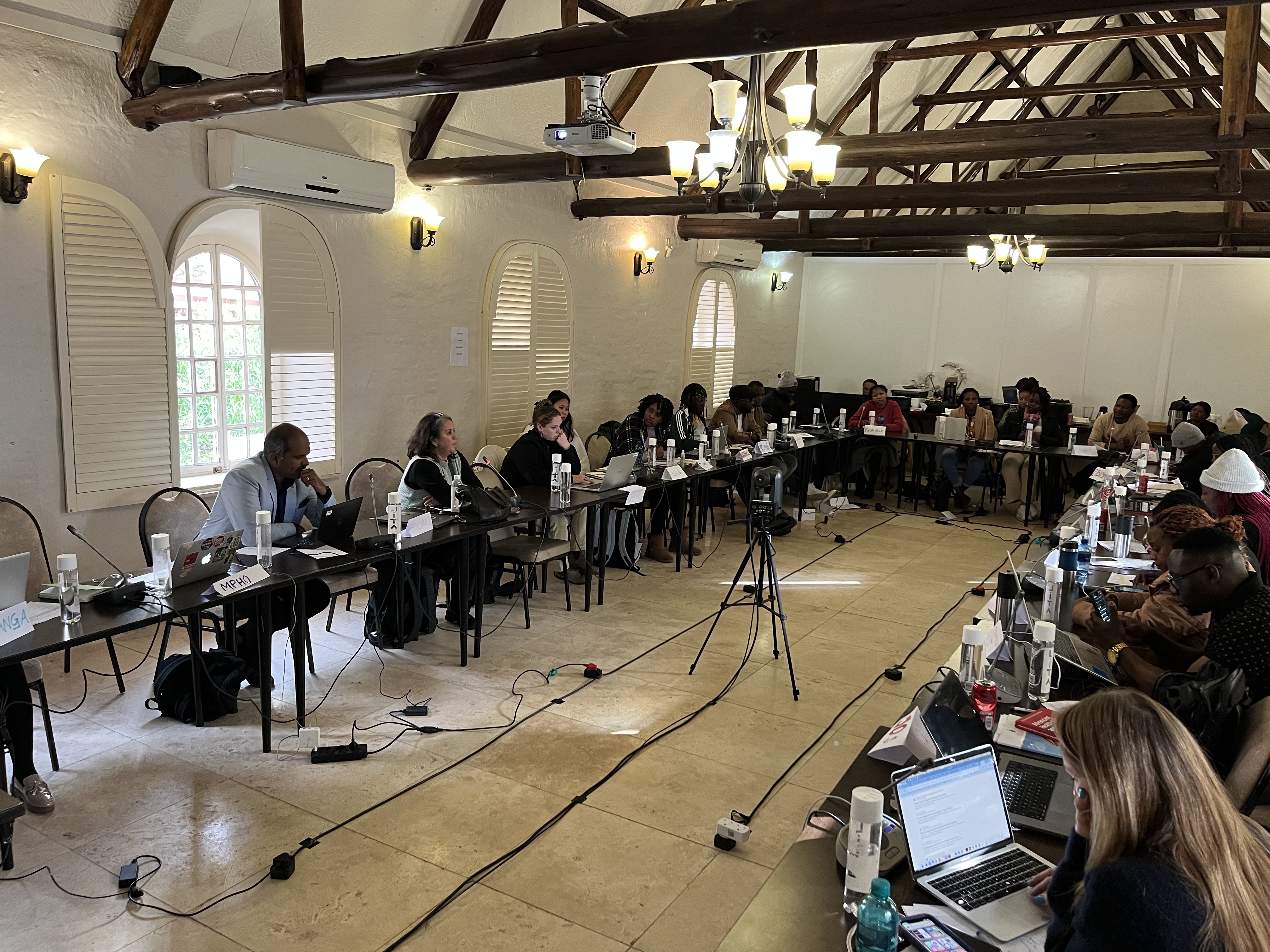
It’s a wrap! Winter School, July 2025 – session recordings
The inaugural Winter School ran from 1-4 July 2025 in Johannesburg. With over 30 participants, the majority joined in-person, with others from further afield online. The Winter School – ‘Researching Migration & Health in Africa: more than the right to health’ – provided opportunities for interdisciplinary thinking and interrogation of the research field.
-
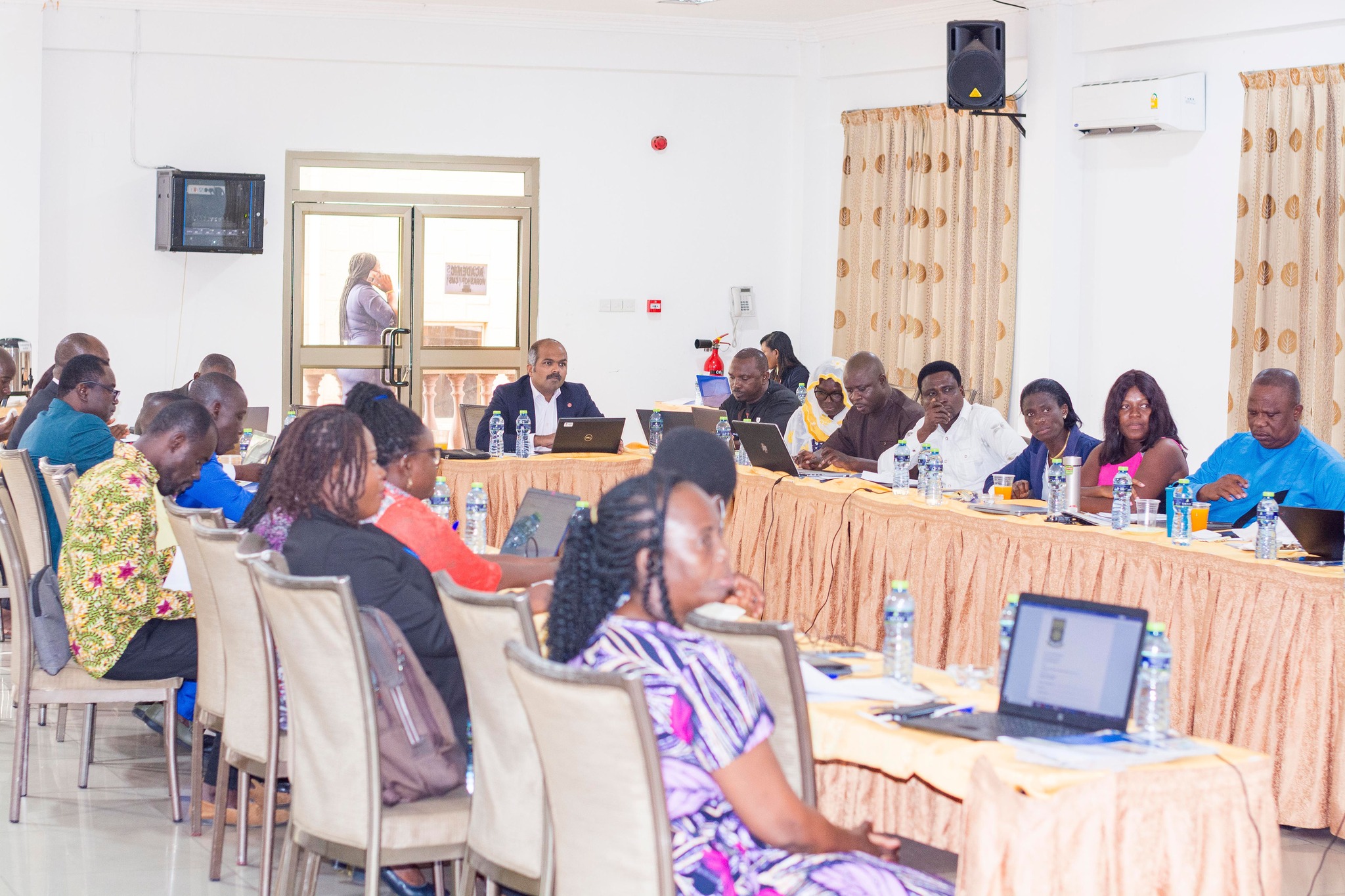
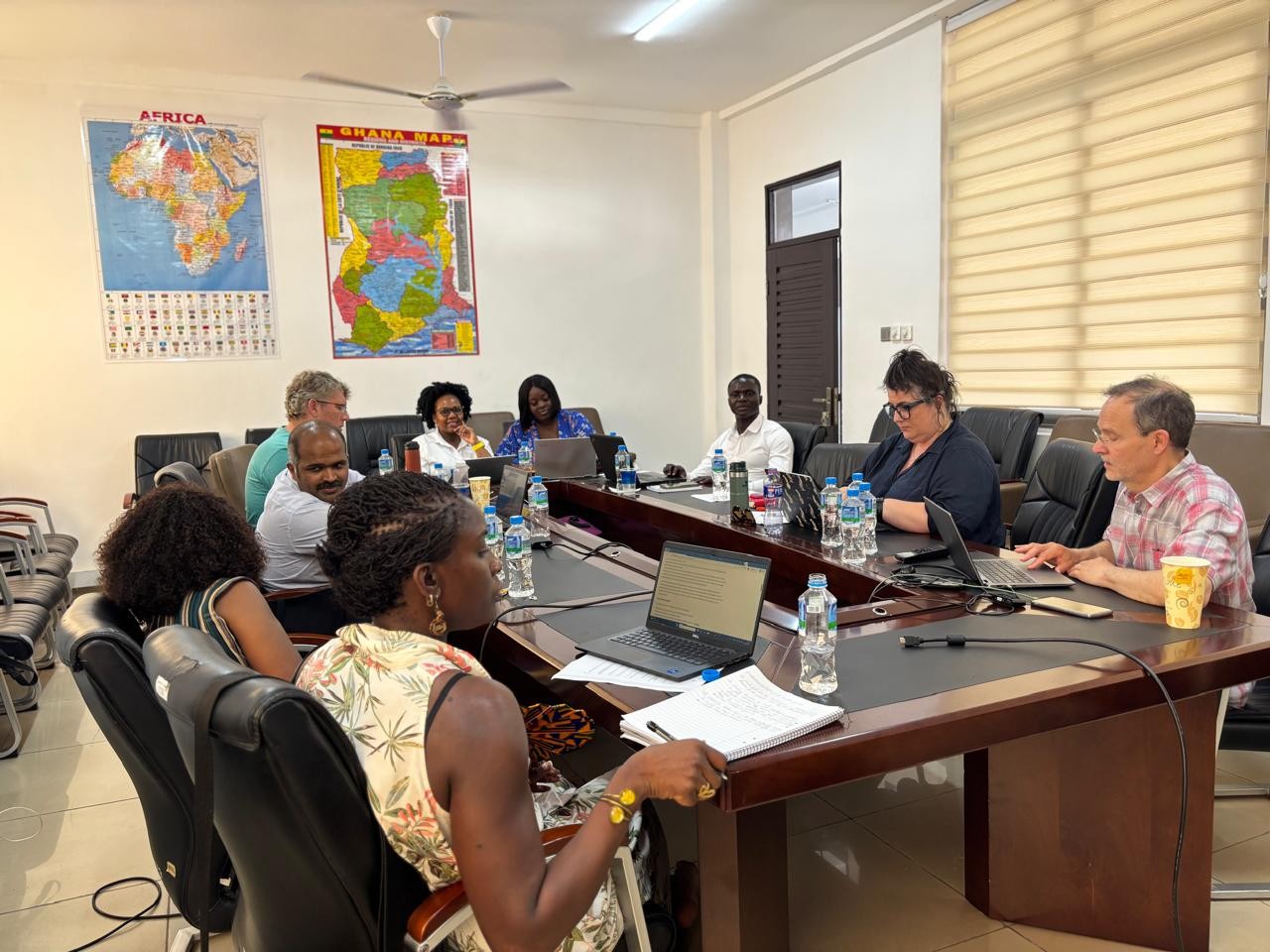
Migration PhD students receive a boost through intensive research training in Accra-Ghana, 10-11 June 2024
A group of PhD students in Ghana has completed an intensive two-day academic training on African migration, equipping them with vital research tools to better understand the continent’s migration dynamics and contribute to policy and scholarly work.
-
Call for Applications: 2 x CoRE-MH Postdoctoral Fellowships
Applications are invited for two postdoctoral fellowships at the African Centre for Migration & Society (ACMS) at Wits University. These fellowships are part of the Cluster of Research Excellence in Migration and Health (CoRE-MH) supported by the African Universities Research Alliance (ARUA) and The Guild of European Research-Intensive Universities.
-

The Journey Untold by Gifty from Ghana
As a young and upcoming researcher this was a great opportunity to learn and broaden my perspective about what exist elsewhere, different culture and have different perspectives about issues, understanding the varied culture, weather and infrastructure and how to fit the different context, this was my mentor’s foresight, Prof. Mary Boatemaa Setrana but I didn’t…
-

Winter School & Research Symposium 2025
The CoRE-MH is running a Winter School organised by the African Centre for Migration & Society (ACMS) at Wits University. The Winter School explores ‘more than the right to health’ in the context of current research priorities & activities in the field of M&H globally and in Africa.
-
Call for applications: 6-month ECR fellowships at the African Centre for Migration & Society (ACMS), Wits University
Apply for a 6-month early-career research fellowship at the CoRE-MH co-lead, a African Research Universities Alliance (ARUA) Centre of Excellence in Migration & Mobility.
-
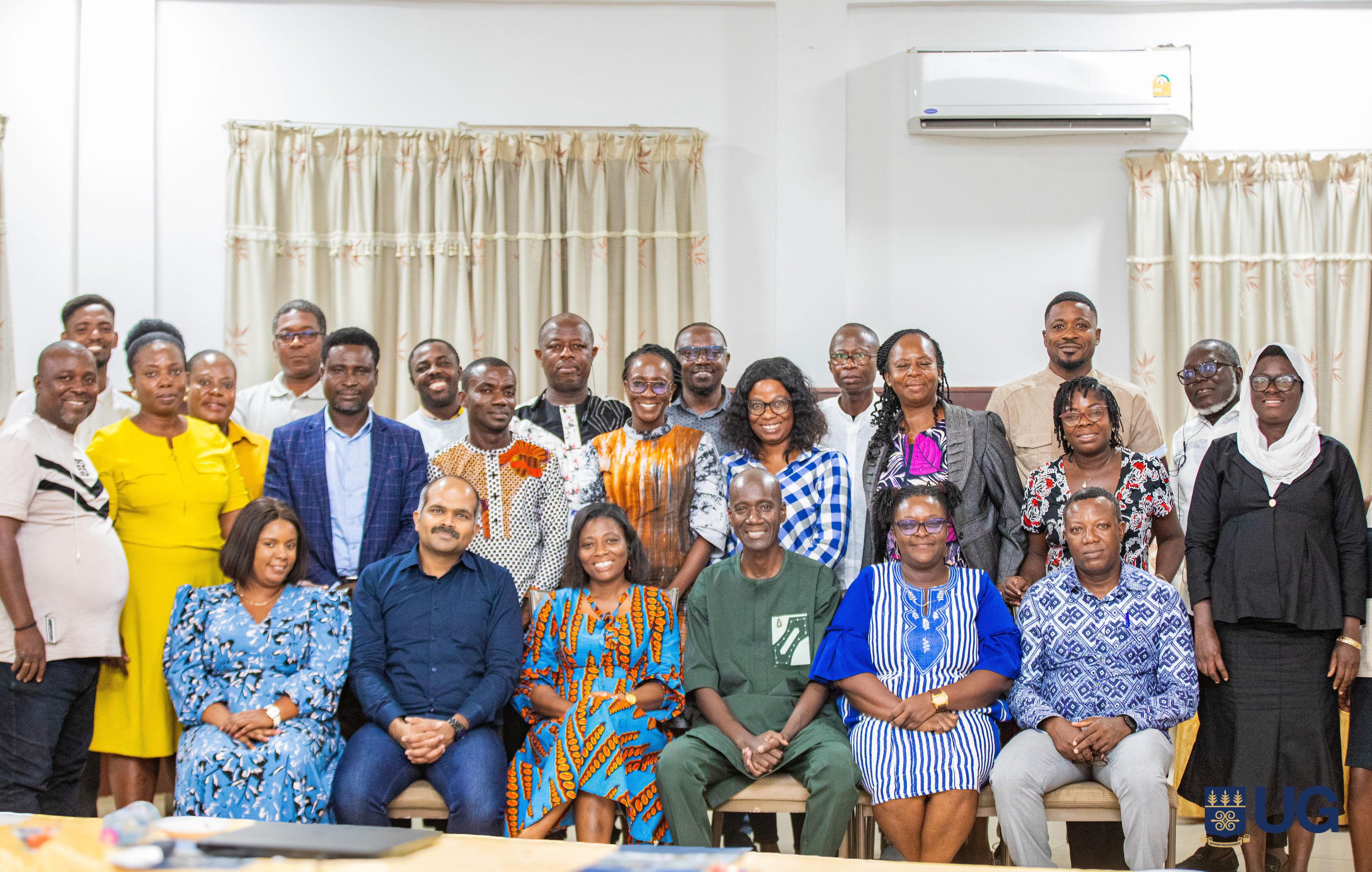
IDRC Research Chair, ACSRM and CoRE M&H held a workshop in Ghana in April 2025, bringing together 20 early career researchers
IDRC Research Chair, ACSRM and cluster of research excellence in migration and Health(CoRE M&H) empower Young Scholars to Tackle African Migration Challenges. They held a workshop at the Mensvic Grand Hotel(Ghana) from April 7–8, 2025; the workshop brought together 20 emerging scholars to deepen their understanding of three interrelated migration themes on forced displacement, climate-induced…
-

Leaving no one behind: WHO and South Africa advance health and migration agenda
CoRE-MH co-lead, Jo Vearey, participated in the WHO’s health system review and research agenda setting process focused on health, migration, and displacement in South Africa. They undertook background research for these activities, including a scoping review of existing evidence & knowledge gaps in migration, health & displacement in South Africa.
-
Press release
The CoRE-M&H is thrilled to welcome three new partners – Radboud University, Ghent University and the African Union’s African Centre for the Study and Research on Migration (ACSRM).
-

African Union, IOM, Partners Call for Unified Strategy to Address Migration and Health in Africa
CoRE-MH co-lead, Soorej Jose Puthoopparambil, participated in a technical workshop aimed at crafting a common approach to migration and health governance in the continent. The workshop was organised co-organised by CoRE-MH affiliate, the International Organization for Migration (IOM).
-

Inaugural Africa-Europe CoRE conference: Fostering equitable sustainable scientific partnerships in Europe and Africa
More than 250 academics and researchers from over 49 institutions across more than 27 countries in Africa, Europe and beyond gathered in South Africa at the Stellenbosch Institute for Advanced Study (STIAS) for the inaugural Africa-Europe Clusters of Research Excellence Conference.
-

New CoRE partner: the African Union’s African Centre for the Study and Research on Migration (ACSRM)
The CoRE is delighted to welcome a new partner: the African Centre for the Study and Research on Migration (ACSRM). The Centre is an African Union-specialised technical agency devoted to strengthening research, studies, and analysis of all aspects of Africa’s Migration.
-
[Invitation – symposium] Researching Migration and Health in Southern Africa: from global to local
We are holding a symposium to initiate a cross-faculty research network on Migration & Health at Wits University. By bringing together researchers & postgraduate students working in the field of migration & health, we have opportunities to strengthen collaboration across Wits and beyond. All welcome!
-

Inauguration & partner workshop, May 2024
In May 2024, the CoRE-MH was officially launched at Uppsala University. This involved a two day event, including public panel discussions and a closed participatory workshop with all partners to identify key thematic research areas for the CoRE.